

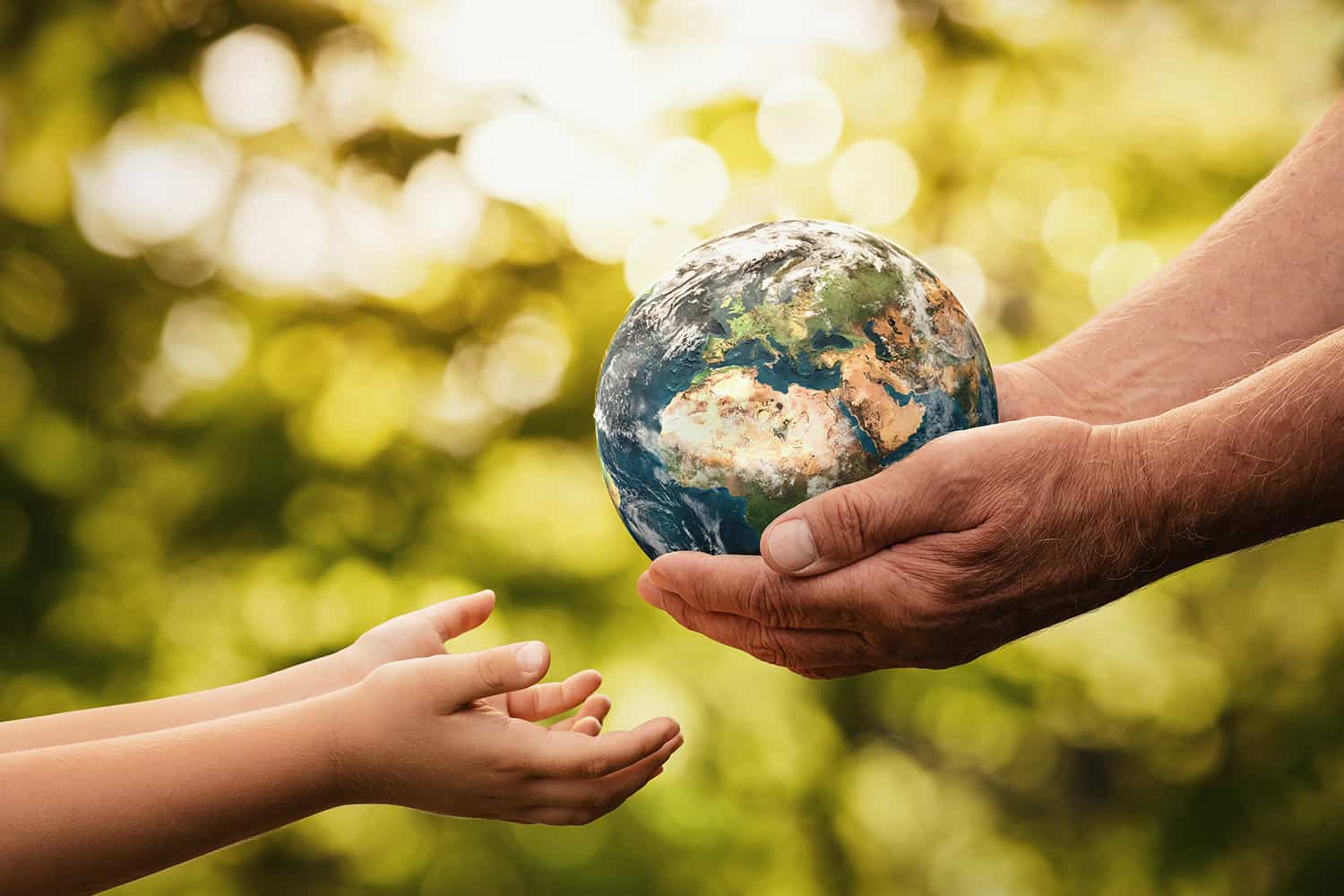
Sustainable Living Tips for Eco‑Friendly Living
Here’s the thing nobody really says out loud. Most of us already know we should be living more sustainably. We just don’t always know where to start, or we feel like our individual choices don’t actually move the needle. If that sounds familiar, you’re not alone. These sustainable living tips aren’t here to lecture you. They’re here to show you that small, real changes add up faster than you’d think.
We’re in a period of serious environmental instability right now. Hotter summers, worsening air quality, plastic literally everywhere. These aren’t just news stories anymore. They show up in daily life. And while big policy changes matter, what you do at home, in the store, on the road… that matters too. More than most people realise.
So let’s get into it. Practically. Honestly. No fluff.
What Is Sustainable Living?
People ask what sustainable living is like; it’s some complicated concept. It’s not. It basically means living in a way that doesn’t wreck things for the people who come after us. Using resources thoughtfully. Wasting less. Making more environmentally friendly choices across the board.
That’s it. No need to move to a commune or give up everything you enjoy. It’s just about being more eco-conscious in the everyday decisions you’re already making anyway.
Why Sustainable Living Tips Actually Matter
The environmental instability we’re dealing with isn’t slowing down. According to the United Nations Environment Programme, global resource consumption is on track to nearly double by 2060 if nothing changes. That’s a staggering number.
But here’s the flip side. When individuals shift their habits, industries follow. Markets respond to demand. What can we do as regular people? A lot, actually. These aren’t just feel-good environment examples either. The collective impact of millions of households making greener choices is one of the most underrated global environmental solutions we have right now.
Sustainable Living Tips You Can Actually Use
Let’s get practical. These are sustainable living tips that work in real life, not just in theory.
Cut Your Energy Use at Home
This one hits two birds at once. It’s good for the planet and genuinely saves you money. A few easy eco health strategies to start with:
- Swap your old bulbs for LED ones. The U.S. Department of Energy says they use up to 75% less energy than traditional bulbs.
- Unplug things you’re not using. Devices on standby can quietly eat up 5 to 10% of your home electricity without you even noticing.
- If you’ve got a thermostat you can program, use it. Heating and cooling an empty house is one of the easiest savings planet habits to fix.
These changes aren’t dramatic. But they add up on your bill and your footprint at the same time.
Shop Differently
Fast fashion and single-use packaging are two of the biggest drivers of environmental instability. The good news is that being environmentally friendly here doesn’t mean spending more. Usually, it means buying less overall.
Buy second-hand when you can. Choose products with less packaging. Keep a reusable bag and bottle with you. These are greener things that cost nothing to adopt once they become a habit.
Eat with the Planet in Mind

Food production accounts for roughly 26% of global greenhouse gas emissions, according to Our World in Data. That’s a massive number, and it’s one area where individual choices genuinely matter.
You don’t have to go fully plant-based overnight. Shifting two or three meals a week toward vegetables, legumes, and whole grains already makes a real difference. I can do it should be the belief. It’s less about being perfect and more about being intentional.
Think About Your Travel Energy
How we get around is one of the clearest examples of individual impact on the environment. Transportation is a top contributor to air pollution, and a lot of that comes down to choices people make without really thinking about them.
Smarter travel energy habits don’t require a total lifestyle overhaul. Walk or cycle for shorter trips. Take public transport when it’s available. If you drive, carpooling cuts per-person emissions significantly. And if flying is unavoidable, look into legitimate carbon offset programs.
What you do in terms of daily travel adds up to a surprising amount over a year. Worth thinking about.
Stop Wasting Water
Freshwater is under real pressure globally, and household waste is a significant part of that. Simple eco health strategies here go a long way:
Take shorter showers. Fix leaky taps as soon as you notice them. Only run the dishwasher when it’s full. Collect rainwater for garden use if you can. These aren’t big sacrifices. They’re just slightly more thoughtful versions of what you’re already doing.
Reducing Air Pollution Starts at Home
How do we reduce pollution at an individual level? This is one of those questions people ask without expecting a practical answer. But there is one.
Things that genuinely help when it comes to reducing air pollution and making the air cleaner include avoiding burning garden waste or trash outdoors, cutting car trips where possible, switching to environmentally friendly cleaning products instead of chemical-heavy ones, and supporting local businesses to reduce long-distance supply chain emissions.
According to the World Health Organization, 99% of the global population breathes air that exceeds the WHO safe limits. That’s a staggering statistic. But knowing how to reduce pollution starts with seeing the connection between our daily habits and that number.
What You Do for a Living Can Be Part of This Too
What you do for a living doesn’t have to be in the environmental sector to matter. Most workplaces have easy wins that just haven’t been prioritised yet.
Push for paperless workflows. Advocate for better energy practices in the office. Choose to work from home when it’s an option, since that alone cuts commuting emissions. Support suppliers who take sustainability seriously. These things aren’t radical. They’re just practical.
Making a World Better Place Through Small Choices

To genuinely make a better world, awareness alone isn’t enough. Everyone has some awareness by now. What’s needed is consistent action, and that’s exactly where global environmental solutions come to life through individual choices.
Reduce first, then reuse, then recycle. In that order, because that order matters. Support local food systems. Compost kitchen scraps instead of sending them to the landfill. Share what works with people around you without being preachy about it.
Every greener thing you choose is a small signal. And those signals, multiplied across millions of households, start to look like real change. I can do it is a mindset, not just a motivational phrase. It’s the starting point for everything else on this list.
To Sum It Up
Sustainable living tips don’t have to feel overwhelming. They’re just a series of slightly better choices made consistently over time. Smarter travel energy habits. Less waste. More eco-conscious shopping. Fewer single-use products. These are all things that connect directly to real eco health outcomes, both for you and the planet.
What can we do today? Start with one thing. Then another. Keep going. Because the path toward meaningful global environmental solutions doesn’t need to be perfect. It just needs to be honest and consistent.
Frequently Asked Questions
Can climate change be reversed?
Not fully, and not quickly. But its worst effects can be slowed significantly through real global environmental solutions like renewable energy, reforestation at scale, and sustained reductions in emissions across every sector.
How can I make the world a better place?
Start where you are. Reduce waste, choose environmentally friendly products, and support businesses that take sustainability seriously. Small, consistent actions from a lot of people add up to something genuinely meaningful.
What are some very easy ways to be more sustainable?
LED bulbs, a reusable water bottle, cutting food waste, walking short distances instead of driving, and unplugging devices you’re not using. These are greener things anyone can start with today.
What are really practical ways to be more sustainable?
Look at your biggest energy, food, and transport habits. Those three areas produce the most impact. Making even moderate changes across all three is more effective than doing one thing perfectly.
How to start becoming more sustainable on a budget?
The cheapest sustainable living tips are usually the most powerful. Walk instead of driving. Waste less food. Use less energy. The savings planet benefits are real,l and they show up directly in your monthly costs.
What are the tips for a more sustainable lifestyle?
Focus on energy at home, smarter food choices, less single-use waste, and environmentally friendly travel habits. Consistent small changes in these areas produce the strongest eco-health outcomes over time.
What was the first step toward a more sustainable lifestyle?
Awareness. Understanding how what you do connects to wider environmental instability is the starting point for everything else. Once that connection clicks, the motivation to change tends to follow naturally.
How can we make sustainable living easier for everyone?
Better access to public transport, affordable environment friendly products, community education, and policy support all help. But individual commitment is what keeps momentum going between the bigger structural changes.
How to live sustainably in the suburbs?
Compost at home, grow a small kitchen garden, carpool for school and errands, switch to energy-efficient appliances, and cut back on single-use plastic in your grocery routine. All very doable without moving anywhere.
What are your favourite ways to create an eco-friendly home?
Natural cleaning products, a smart thermostat, a renewable energy provider if available, less plastic storage, and a few indoor plants to naturally support better air quality. None of these requires a huge budget.
Which of the following actions will minimize air pollution?
Reducing car use, switching to cleaner energy sources, cutting chemical-heavy household products, buying local to shorten supply chains, and stopping outdoor waste burning. These are some of the most direct green things individuals can do when thinking about how to reduce pollution in practical, everyday terms.
This content was written and reviewed by a climate sustainability specialist with over 20 years of experience in environmental communication and eco-conscious education. For the most current data, refer to regularly updated resources from the UNEP, WHO, and Our World in Data.