

Biggest Football Rivalries In The World
The biggest football rivalries aren’t just matches you mark on a calendar. They’re moments that stop entire cities in their tracks. Families argue over dinner tables. Friendships hang by a thread for 90 minutes. Decades of history come crashing into the present.
From Der Klassiker’s tactical chess matches to the Manchester derby, splitting a city down the middle, the biggest football rivalries show us what football really means to people. It’s not always pretty, but it’s always real.
The recent Champions League quarter-finals gave us exactly this kind of raw emotion. Red cards changed everything in seconds. Goals came from nowhere when hope had nearly died. Managers made calls they’ll be asked about for years. Eight teams fought through to the semi-finals, each with its own story of survival and brilliance.
This guide takes you through the top 10 biggest football rivalries in the world, explaining what makes the biggest football derbies burn so hot. Whether you want to understand defensive strategies in football or simply get why Arsenal vs Tottenham brings an entire section of London to its knees, you’ll find answers here.
What Makes the Biggest Football Rivalries So Intense
You can’t create a football rivalry in a boardroom. They grow slowly, naturally, over generations. Geography puts clubs on top of each other. Class divisions carve cities into opposing camps. Political battles add fuel that never quite burns out. And competitive hatred? That gets handed down from parent to child like a family tradition nobody asked for.
Key Moments For Biggest Football Rivalries:
Look at the top 10 biggest football rivalries in the world, and you’ll spot the pattern. Clubs sit practically on each other’s doorsteps. Teams fighting over the same trophies for decades. Or sides representing completely different visions of what their city should be.
Best Ever Manchester Derby Goals:
The Manchester derby between Manchester United and Manchester City shows this perfectly. For years, United owned the city while City existed in the background. Then money changed the landscape overnight. Now, when Manchester United vs Manchester City meet, it’s about more than points. It’s about who owns Manchester, who gets to swagger into work on Monday morning, and who controls the narrative until they meet again.
Barcelona 5 | Real Madrid 0: Biggest Football Rivalry Ever:
Real Madrid vs Barcelona works differently. El Clásico has never been just about football. Madrid represents Spanish centralized power, the capital, the establishment. Barcelona represents Catalonia, independence, regional pride, and pushing back against national authority. That’s what lifts the biggest football club rivalries in the world above regular big matches everyone watches.
Geography drives the biggest football derbies harder than people realize. Arsenal vs Tottenham exists because these clubs share North London like neighbors who’ve never gotten along. The same fans, supporting different teams, squeeze into the same tube carriages every morning. They work in the same office buildings. They grab pints in the same pubs after work. When your team loses, you can’t hide from it. Not for one second.
Der Klassiker – All Goals In The Last Decade:
Bayern Munich vs Borussia Dortmund (Der Klassiker) shows something else. It’s grown beyond fighting for titles into something like a philosophy debate played at full speed. Bayern’s precise, methodical approach crashes into Dortmund’s explosive, high-risk counters. The biggest football rivalries push the game forward tactically because both sides desperately want to prove that their way works better.
Top 10 Biggest Football Rivalries in the World
1. Real Madrid vs Barcelona: The Biggest Football Rivalry
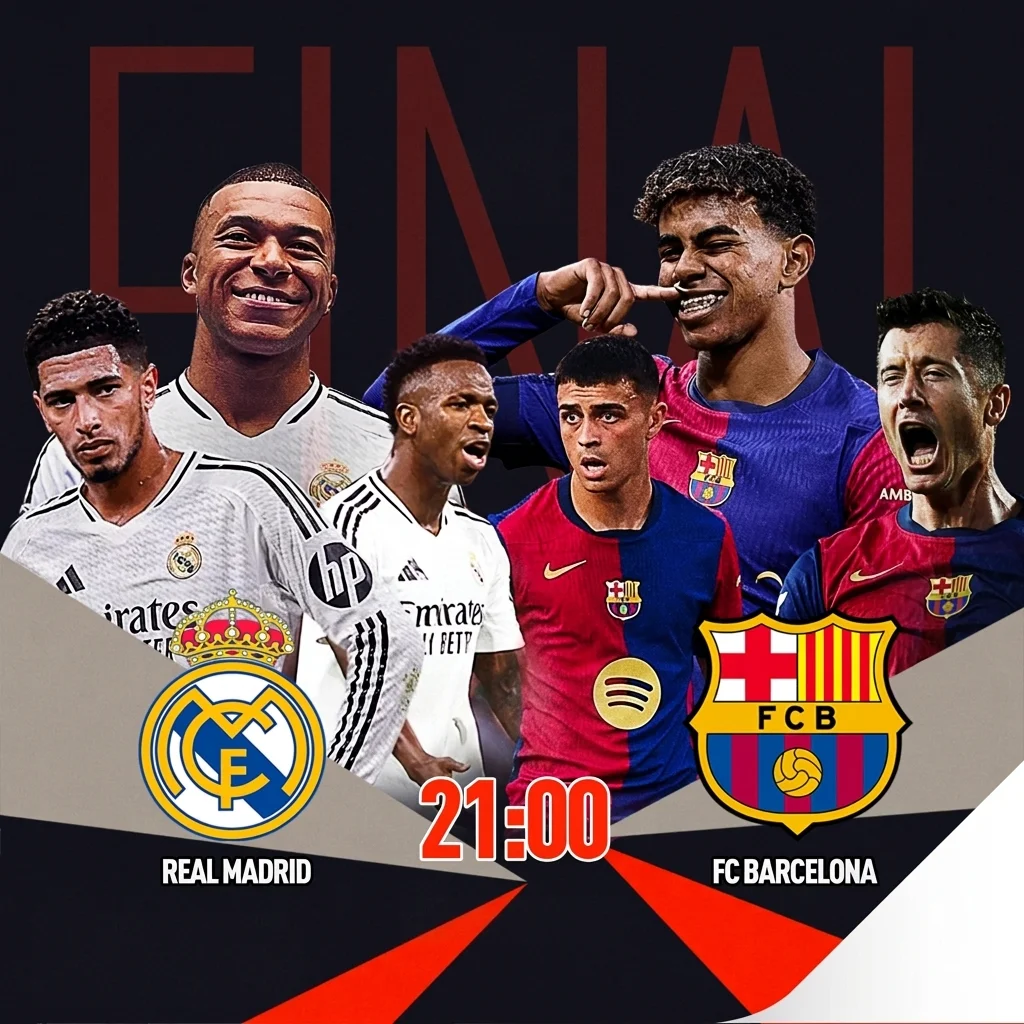
El Clásico is the biggest football rivalry on the planet. No other fixture comes close. It sits at the very top of any honest ranking of the top 10 biggest football rivalries in the world. Over 250 competitive matches since 1902. Barcelona edges the wins 101 to Real Madrid’s 100, with 52 draws between them.
Current Setup Of The Biggest Football Rivalries
Real Madrid plays at Santiago Bernabéu, which holds 81,044 people, creating an atmosphere that feels alive. Barcelona currently uses the legendary home stadium, which is called Spotify Camp Nou. It was inaugurated in 1957 and is the biggest football stadium in Europe, with a history of almost 100,000 fans.
How They Play:
Madrid typically runs an attacking 4-3-3 built on getting forward quickly. Barcelona uses an aggressive 4-3-3 featuring high pressing that sometimes looks reckless, constant wide overloads, and a defensive line that plays dangerously high.
The Players Who Matter:
Lionel Messi scored 26 times in El Clásico. Cristiano Ronaldo got 18. Those numbers tell you everything about a decade of dominance. Now Vinícius Júnior and Jude Bellingham drive Madrid forward. Barcelona relies heavily on teenagers like Lamine Yamal and Pedri. Despite Lamine Yamal’s age being just 17, watching Lamine Yamal dribbling past experienced defenders makes you forget how young he actually is.
Moments That Changed Everything:
Barcelona’s 5-0 destruction at the Bernabéu in 2010 wasn’t just a win. It was a statement about who owned Spanish football. Messi, celebrating his 500th goal at Madrid’s home in 2017, took nerve. Countless winners in the 90th minute decide entire title races. The defensive strategies that both clubs developed changed how everyone else in Europe thought about organizing their teams.
Where It Stands:
These matches stay tight and unpredictable regardless of form. Tactical preparation shifts everything. Individual brilliance decides games in heartbeats. That’s what keeps it among the biggest football club rivalries in the world, season after season.
2. Manchester Derby: Manchester United vs Manchester City
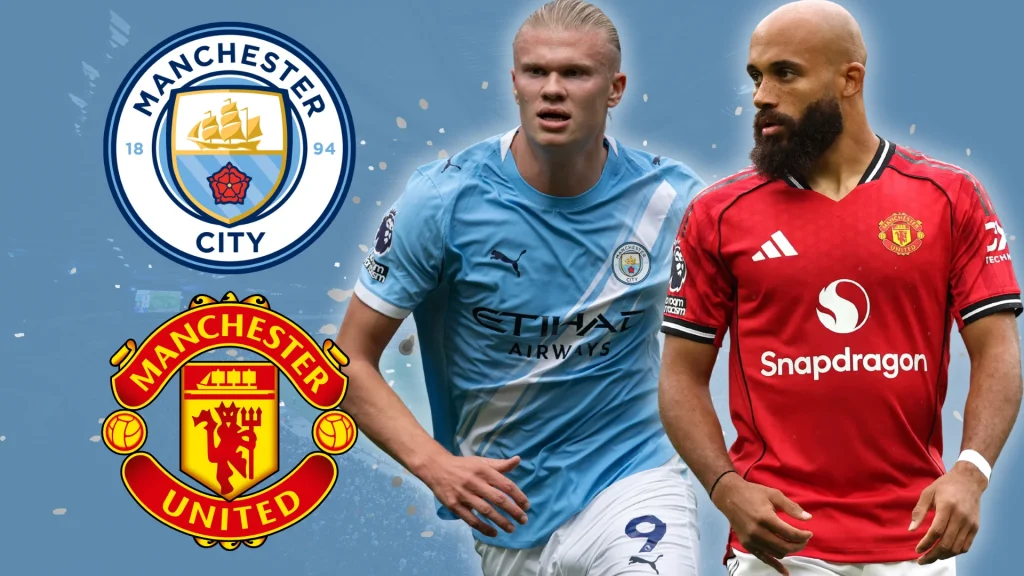
The Manchester derby became the Premier League’s biggest rivalry over the past decade. It’s one of the biggest football derbies that has completely transformed from what it used to be. Historically, United leads 77 wins to City’s 57, with 53 draws. But recent history tells a very different story.
The Stadiums:
City plays at Etihad Stadium, which holds 53,400. United plays at Old Trafford, which packs in 74,310 and still carries that weight of history.
Tactical Approach:
City plays a possession-heavy 4-3-3 with inverted fullbacks creating midfield overloads that suffocate opponents. The defensive strategies in football that City employs include high pressing and constant intelligent movement. United’s approach keeps evolving, but counter-attacking remains their best weapon in Manchester United vs Manchester City.
Key Moments:
Sergio Agüero’s last-second title winner in 2012 still gives people goosebumps. Kevin De Bruyne has driven City’s dominance for years with passing that defies belief. For United, Wayne Rooney’s overhead kick in 2011 was pure brilliance. Bruno Fernandes has delivered important moments in Manchester United vs Manchester City when his team needed them most.
Unforgettable Matches:
City’s 6-1 battering at Old Trafford in 2011 announced a power shift nobody could ignore. United’s comeback from 2-0 down to win 3-2 in 2018 proved the Manchester derby can still surprise you.
Current Reality:
City has controlled recent Manchester derby fixtures through better organization and superior tactics. That makes the occasional United win in Manchester United vs Manchester City taste even sweeter.
3. Arsenal vs Tottenham
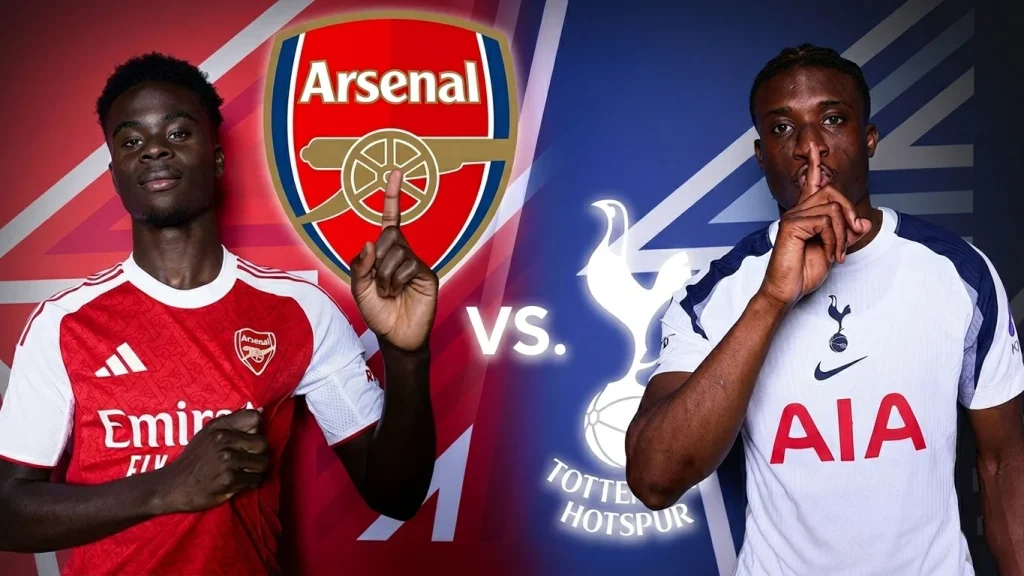
The North London derby is local rivalry stripped to its essence. It’s one of the most intense and biggest football derbies anywhere in world football. Arsenal leads 84 wins to Tottenham’s 68, with 51 draws that probably felt like losses to both sets of fans.
The Venues:
Arsenal plays at Emirates Stadium, which holds 60,704. Tottenham plays at Tottenham Hotspur Stadium, which holds 62,850 and looks impressive on the outside.
How They Set Up:
Arsenal employs a 4-3-3 emphasizing left-side overloads and set-piece execution that’s become frighteningly effective. The defensive strategies in football Arsenal uses include high lines and aggressive pressing triggers that catch teams sleeping. Tottenham favors attacking 4-3-3 football, which is entertaining but sometimes leaves them exposed.
The Key Players:
Thierry Henry scored 10 times in this fixture and clearly loved it. Currently, Bukayo Saka and Martin Ødegaard drive everything Arsenal creates in Arsenal vs Tottenham. Son Heung-min remains Tottenham’s main danger with the pace that terrifies defenders.
Big Moments:
Arsenal’s 5-4 win in 2004 had everyone’s hearts racing. Tottenham’s first victory at Arsenal in 22 years arrived in 2010 and meant everything to their fans. Arsenal has won 8 of the last 10 league meetings, completely dominating Arsenal vs Tottenham recently.
Current Form:
Arsenal has controlled recent Arsenal vs Tottenham matches in ways that must hurt. They dominate possession, create clearer chances, and look a level above technically. It’s becoming one-sided among the biggest football rivalries right now.
4. Bayern Munich vs Borussia Dortmund
Der Klassiker is Germany’s defining rivalry, sitting comfortably in the top 10 biggest football rivalries in the world. Bayern leads historically with 65 wins to Dortmund’s 35, with 33 Bundesliga draws showing the power gap.
The Stadiums:
Bayern plays at Allianz Arena, which holds 75,024. Dortmund plays at Signal Iduna Park, which packs in 81,365 and creates an atmosphere that feels like a physical force.
Playing Styles:
Bayern plays possession football in 4-2-3-1, controlling games through inverted wingers and patient buildup. The defensive strategies in football that Bayern uses focus on winning the ball back immediately after losing it. Dortmund uses a similar shape but sits deeper, then explodes forward on quick counters when they win possession.
Star Players:
Robert Lewandowski scored 25 times in this fixture before leaving. Harry Kane now leads Bayern’s attack in Der Klassiker with that proven scoring instinct. Dortmund relies on pace from players like Karim Adeyemi, who can hurt you in seconds.
Historic Matches:
Dortmund’s back-to-backBundesliga titless in 2011 and 2012 under Jürgen Klopp made people think power might shift. Bayern’s 5-0 destruction in 2018 reminded everyone who runs German football. Bayern Munich vs Borussia Dortmund typically delivers goals and end-to-end action, making Der Klassiker one of the most watchable and biggest football rivalries.
Current Situation:
Bayern has won the most recent Der Klassiker matches through superior depth and organization in Bayern Munich vs Borussia Dortmund.
5. Liverpool vs Manchester United
This is historically England’s biggest rivalry. Two of the country’s most successful clubs. Liverpool leads slightly with 69 wins to United’s 67, with 58 draws showing how evenly matched they’ve been.
The Grounds:
Liverpool plays at Anfield, which holds 61,276 and somehow feels both intimate and massive. Manchester United plays at Old Trafford, capacity 74,310, where history weighs heavily.
Tactical Approaches:
Liverpool maintains a high-pressing, fast-transitioning style in 4-3-3 with aggressive fullbacks bombing forward constantly. The defensive strategies in football that Liverpool employs emphasize winning possession high and exploiting quick transitions mercilessly.
Key Names:
Steven Gerrard, Wayne Rooney, and Luis Suárez defined modern versions through moments that live forever. Currently, Mohamed Salah leads Liverpool’s attack with goals that never seem to stop coming. Bruno Fernandes drives United’s creativity with whatever he’s got around him.
Major Moments:
Liverpool’s 7-0 victory at Anfield in 2023 was their biggest win in this fixture’s entire history. Nobody saw that coming. United’s 1999 treble season featured crucial wins over Liverpool that helped build something legendary. This remains one of the biggest football club rivalries in the world, even with City emerging locally.
Current State:
Liverpool has dominated recent matches through better organization and superior execution across the pitch.
6. Iconic Football Rivalry: Barcelona vs Atletico Madrid
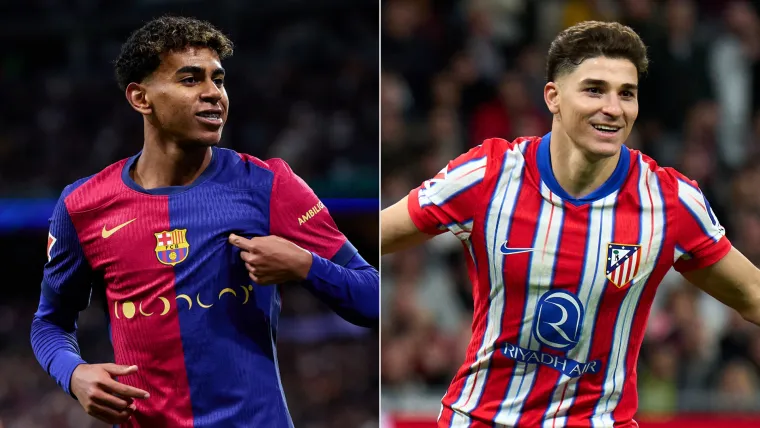
This tactical rivalry has grown more intense with each season. Barcelona leads historically with 104 wins to Atletico’s 62, with 49 La Liga draws between them.
The Stadiums:
Barcelona plays at Spotify Camp Nou. Atletico Madrid plays at Cívitas Metropolitano, which holds 68,456 and creates a hostile atmosphere.
Tactical Battle:
Barcelona’s possession-based 4-3-3 features high pressing and wide overloads smashing into Atletico’s organized defensive wall. Diego Simeone’s defensive strategies in football involve compact shape in 4-4-2, pressing in specific trigger zones, and brutally quick counters. Barcelona vs Atletico Madrid tests whether Barcelona can break Atletico down before frustration causes costly mistakes.
Key Players:
Lionel Messi scored 32 times against Atletico and clearly dominated them. Antoine Griezmann now plays for Atletico after leaving Barcelona, so he knows both systems inside out. Young defenders like Pau Cubarsí (Cubarsi’s age is just 17) face their toughest physical tests against Atletico’s direct approach.
Defining Moments:
Atletico winning La Liga at Camp Nou in 2014 on enemy territory. Numerous Champions League battles that turned physical. The intensity often leads to red cards flying, which basically defines Barcelona vs Atletico Madrid.
Current Form:
Matches stay tight and physical every time. Atletico’s defensive structure continues to frustrate Barcelona’s possession game in Barcelona vs Atletico Madrid.
7. Celtic vs Rangers: Second Biggest Football Rivalry Ever
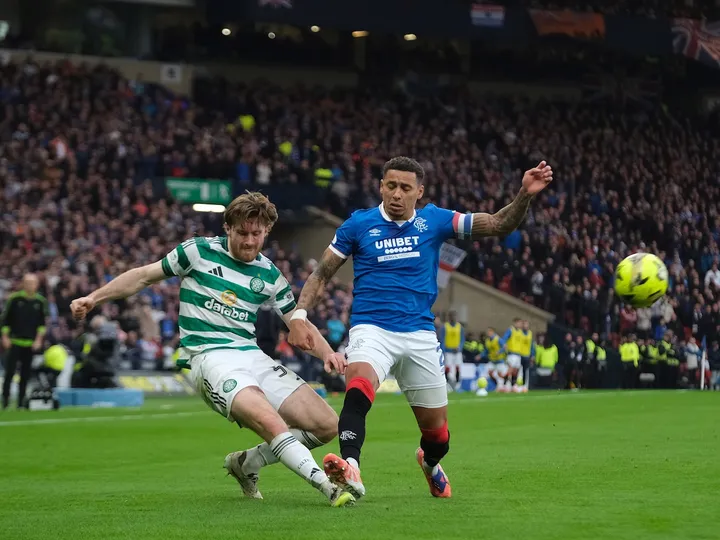
Scotland’s biggest football rivalry carries religious and cultural weight that extends far beyond the pitch. Rangers lead historically with 168 wins to Celtic’s 162, with 99 draws showing how even it’s been.
The Grounds:
Celtic plays at Celtic Park, which holds 60,411. Rangers play at Ibrox Stadium, capacity 50,817, where the atmosphere gets intense.
Tactical Approaches:
Celtic employs possession football with high pressing in a 4-3-3 that dominates Scottish football. The defensive strategies in football that Celtic uses include high lines and aggressive pressing triggers. Rangers typically sit deeper in Celtic vs Rangers, absorbing pressure and looking to counter.
Historic Players:
Henrik Larsson, Ally McCoist, and Paul Gascoigne defined earlier generations and understood what it meant. Currently, Kyogo Furuhashi leads Celtic’s attack with clever movement. Rangers rely on James Tavernier’s contributions from right-back.
Key Moments:
Rangers’ 9 consecutive titles from 1989 to 1997 felt like it would never end. Celtic’s response with 9 in a row from 2012 to 2020 was payback. Countless cup finals have been decided dramatically. Religious divisions (Catholic Celtic vs Protestant Rangers) make this one of the top 10 biggest football rivalries in the world, despite Scotland’s smaller league.
Current Form:
Celtic has dominated recent Celtic vs Rangers matches, winning most league games comfortably.
8. AC Milan vs Inter Milan
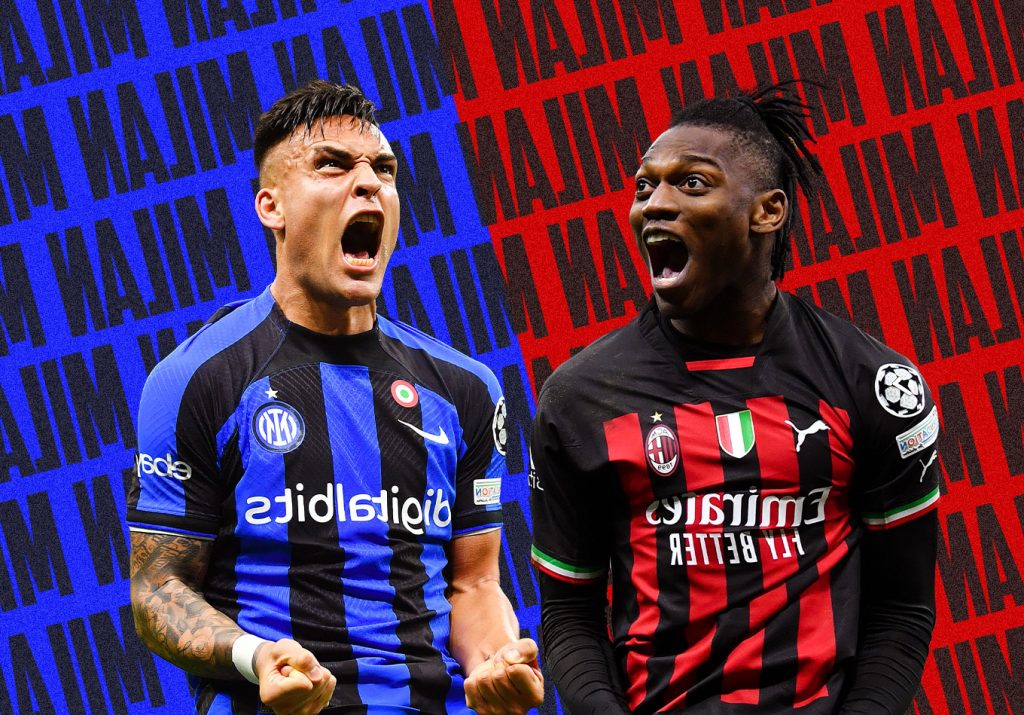
The Milan derby features shared stadium dynamics that create unique pressure. The record sits nearly even: 86 wins for Inter, 82 for Milan, with 69 draws.
The Stadium:
Both clubs share San Siro, which holds 75,817 and gets split down the middle on derby day.
Tactical Setups:
Inter plays 3-5-2 with aggressive wing-backs and two strikers creating a constant vertical threat. Milan typically uses 4-2-3-1 or variations. The defensive strategies in football both emphasize staying compact centrally and protecting the middle.
Historic Players:
Giuseppe Meazza, Franco Baresi, and Javier Zanetti defined generations through brilliance. Currently, Lautaro Martínez leads Inter’s attack with consistent scoring. Rafael Leão provides Milan’s main threat with blistering pace.
Memorable Matches:
Inter’s 3-0 aggregate win over Milan in the 2023 Champions League semi-final hurt deeply. Milan’s 6-0 destruction in 2001 remains legendary. Numerous title-deciding derbies have shaped this rivalry among the biggest football derbies.
Current Form:
Inter has controlled recent Milan derbies through better tactical organization.
9. Third Biggest Football Rivalry: Boca Juniors vs River Plate
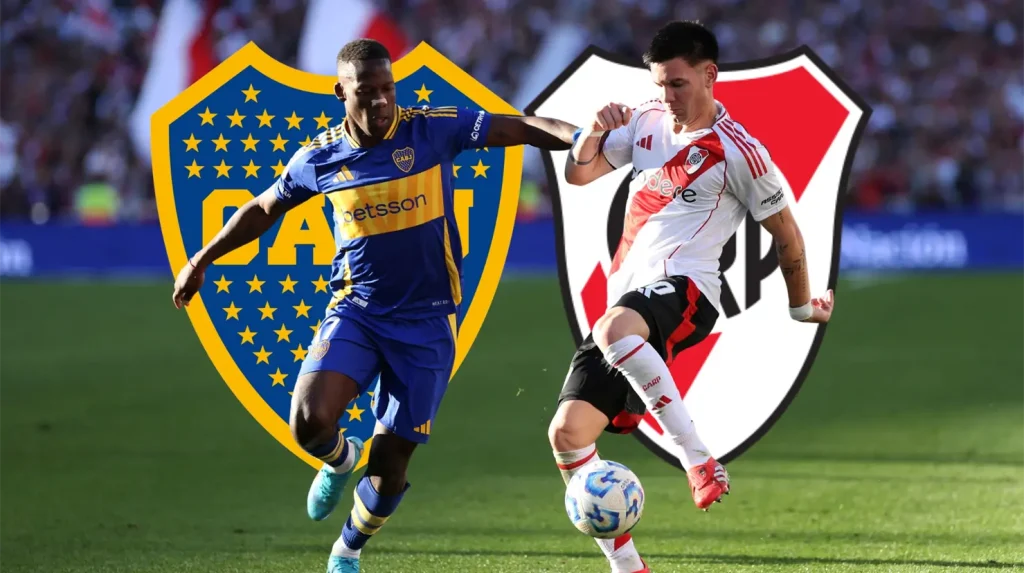
South America’s biggest football rivalry creates the most intense atmosphere in world football. Boca leads slightly with 91 wins to River’s 88, with 83 draws, but numbers barely capture what this means.
The Stadiums:
Boca Juniors plays at La Bombonera, capacity 54,000, which feels genuinely intimidating to visit. River Plate plays at Monumental de Núñez, which holds 84,567 and creates its own intense atmosphere.
Playing Styles:
River typically controls possession, building from the back with technical quality. Boca sits deeper, relying on transitions, raw physicality, and set-pieces. The defensive strategies in football both employ aggressive and risky tactics, creating open, chaotic matches.
Legendary Players:
Diego Maradona, Juan Román Riquelme, and Enzo Francescoli defined earlier eras and understood what this meant to millions.
Defining Moment:
The 2018 Copa Libertadores final moved to Madrid after violence erupted. River won 3-1 in Spain. That single match showed everything about Boca Juniors vs River Plate compressed into one event.
Current State:
Matches remain intensely competitive regardless of where teams sit in the table. Cultural significance matters infinitely more than current form in Boca Juniors vs River Plate among the biggest football club rivalries in the world.
10. Roma vs Lazio
Rome’s city derby is one of Italy’s most passionate rivalries, splitting the capital. Roma leads historically with 47 wins to Lazio’s 32, with 46 Serie A draws.
The Stadium:
Both clubs share Stadio Olimpico, which holds 70,634 and gets divided perfectly on derby day.
Tactical Approach:
Both teams typically use variations of 4-3-3 or 4-2-3-1, depending on opponents. The defensive strategies in football both emphasize winning the midfield battle above everything else.
Key Players:
Francesco Totti scored 11 derby goals during his one-club career. Alessandro Nesta and Paolo Di Canio defined earlier eras through big moments. Currently, Paulo Dybala leads Roma’s attack with technical quality.
Big Moments:
Lazio’s 2013 Coppa Italia final victory meant everything. Totti’s numerous derby goals were celebrated wildly. Passionate fan culture defines this rivalry among the top 10 biggest football rivalries in the world.
Current State:
Matches stay tight with both sides treating it like everything depends on the result.
Champions League 25-26 Quarter-Finals Analysis
Champions League quarter-finals consistently deliver exceptional drama. Red cards change matches instantly. Late goals arrive when hope seems lost. Tactical decisions define who progresses.
Barcelona vs Atletico Madrid
Full Match Highlights: First Leg
Recent clashes between FC Barcelona and Atlético Madrid delivered exactly the kind of drama and tactical swings you expect at this level, but the first leg at Camp Nou turned into a night that flipped in an instant.
Barcelona came out sharp, confident, and in control. The first half was theirs. They moved the ball with purpose, created chances, and kept Atlético pinned back, looking like the side more likely to break through. But football can turn in seconds, and it did.
Julián Álvarez’s Freekick Moment:
Just before halftime, everything changed. Pau Cubarsí’s challenge on Giuliano Simeone led to a red card after a VAR review, and suddenly, the entire balance of the game shifted. What had been control turned into chaos. Julián Álvarez stepped up immediately and punished them with a brilliant free kick, and from that moment, Atlético took over.
Full Match Highlights: Second Leg Key Moments
In the second half, it was no longer Barcelona’s game. Atlético controlled the tempo, stayed compact, and waited for their moments. Alexander Sørloth added the second goal, sealing a 2–0 win right at Camp Nou and putting Atlético firmly in command of the tie.
The second leg brought more chaos than control. Barcelona fought back hard and won 2–1 away, with goals from Lamine Yamal and Ferran Torres, but Atlético responded through Ademola Lookman to protect their advantage. Even then, another red card, this time for Eric Garcia late in the game, disrupted Barcelona again at the worst possible moment.
Eric Garcia’s Red Card Flash:
Across both legs, the numbers tell the story but don’t fully capture the feeling. Atlético scored 3 goals, Barcelona scored 2, and the tie ended 3–2 on aggregate in Atlético’s favor.
What really defined it was the shift in control. Barcelona had dominance, especially early on, but moments like Cubarsí’s red card completely changed the direction of the tie. Atlético didn’t need long spells of possession. They waited, struck, and when the game opened up, they took it with ruthless clarity.
Bayern vs Real Madrid
Full Match Highlights: First Leg
Matches between Bayern Munich and Real Madrid don’t just entertain, they unfold like a tactical chess match that can turn in seconds.
Arda Güler’s Freekick Moment:
Over the two legs, it was chaos mixed with brilliance. Real Madrid showed their class early, especially in the second leg, where they struck first and went into halftime leading 3–2 on the night. Arda Güler scored twice, and Kylian Mbappé added another, giving Madrid control and belief. But Bayern refused to let the game settle. Harry Kane and Aleksandar Pavlović kept them alive, matching every punch with one of their own.
The first half belonged to Madrid’s sharpness and attacking intent. They looked in control, confident in possession, and dangerous every time they moved forward. But the second half told a completely different story.
Madrid’s Brilliant Remontada:
Madrid dropped deeper, almost inviting pressure. Their approach shifted into a low block, waiting for a mistake, hoping to win the ball and break quickly. It was calculated, patient, and very much in line with knockout football. But Bayern didn’t lose their structure. They kept pushing, circulating the ball, and most importantly, they never allowed Madrid to regain control.
This is where Vincent Kompany’s thinking stood out. The introduction of Alphonso Davies added pure pace, not just for attack but for recovery. Bayern played with a clear idea. If they lost the ball, they would win it back instantly through speed and positioning. That constant pressure slowly suffocated Madrid’s plan.
Then came the moment that changed everything.
Eduardo Camavinga’s Red Card Changed Everything:
In the 86th minute, Eduardo Camavinga was sent off after a second yellow card, and the entire balance collapsed. At that point, the tie was hanging in the air, level and tense. But with Madrid down to ten men, the space Bayern had been searching for finally appeared.
Luiz Diaz Stunning 88th Minute Goal:
Luis Díaz struck almost immediately in the 89th minute, a goal that felt like the release of everything Bayern had been building. And just moments later, Michael Olise added another in stoppage time, a calm, decisive finish that ended the contest.
Full Match Highlights: Second Leg
On the night, Bayern won 4–3. Across both legs, they sealed it 6–4 on aggregate and booked their place in the semi-finals.
What made this tie special wasn’t just the goals; it was the shift in control. Madrid had the game in their hands early, but once the rhythm changed, Bayern took over completely. Kompany’s adjustments, the relentless pressure, and the ability to react instantly to the red card turned a balanced contest into a decisive victory.
And even in defeat, you could see the fight from Madrid, shaped by Arbeloa’s setup. But at this level, it often comes down to moments, and Bayern owned the final ones.
Liverpool vs PSG
Full Match Highlights: First Leg
This tactical battle highlights the contrast clearly, with Liverpool FC bringing relentless pressing while Paris Saint-Germain controlled the tempo with composure and precision.
In the first leg at their home ground, Parc des Princes, PSG completely dictated the game and secured a 2–0 win, limiting Liverpool to almost nothing in attack and showing full control of possession and chances.
Full Match Highlights: Second Leg
When the tie moved to Anfield, the pressure was intense, but the story stayed the same. Liverpool pushed hard but couldn’t score across both legs, while PSG stayed patient and punished them late. Ousmane Dembélé struck twice in the second half to seal another 2–0 win.
Across both Anfield and Parc des Princes, PSG ended the tie with a dominant 4–0 aggregate scoreline, proving their control in every phase of the game.
What stands out is how PSG managed the moments that mattered. Liverpool brought energy and pressure, but PSG handled it with calm decision-making and clinical finishing, showing the difference between pushing the game and truly controlling it.
Arsenal vs Sporting
Full Match Highlights: First Leg
This tie between Arsenal FC and Sporting CP wasn’t about high-scoring drama; it was about control, patience, and moments that truly mattered.
In the first leg in Lisbon, Arsenal stayed disciplined and waited for their chance. Sporting were organized and difficult to break down, holding their shape well for most of the game. Just when it looked like it would end goalless, Arsenal found that one decisive moment. A late 91st-minute goal from Kai Havertz gave them a 1–0 win, a result built more on timing and composure than dominance.
Full Match Highlights: Second Leg
The second leg at the Emirates told a different kind of story. Arsenal controlled territory and had most of the ball, but Sporting showed real defensive resilience. They sat deep, stayed compact, and frustrated Arsenal throughout the night. Chances were limited, and even when Arsenal came close, Sporting held firm. In the end, it finished 0–0, with Arsenal advancing 1–0 on aggregate.
What stands out is how tight this tie really was. Arsenal scored just one goal across both legs, but that single moment was enough. Sporting, on the other hand, impressed with their discipline, conceding only once over 180 minutes and constantly threatening to turn the tide with quick counters.
It was a proper tactical battle. Arsenal showed maturity by protecting their lead and staying compact when it mattered, while Sporting proved how hard it is to break down a well-drilled side, even away from home in a high-pressure environment.
To Wrap Up
The greatest football clashes deliver football stripped to its emotional core. From Real Madrid vs Barcelona’s deep political dimensions to Arsenal vs Tottenham and Celtic vs Rangers literally dividing cities, from Boca Juniors vs River Plate’s profound cultural significance to Der Klassiker’s fascinating tactical intensity, these matches transcend ordinary sporting competition.
Football isn’t just skill and tactics; it demands real stamina, body control, and a strong core to stay sharp for a full 90 minutes. Many players struggle not because of talent, but because of hidden habits that block fat loss and reduce endurance. Small mistakes in daily routine can slow down progress more than you realize, especially when it comes to shedding belly fat and building match fitness. These insights on common fat-loss mistakes can help you fix what’s holding you back:
https://contenthubz.com/7-common-mistakes-stopping-you-from-losing-belly-fat/
Performance on the pitch also comes from what happens off it. Your energy, recovery, and stamina are directly linked to what you eat every day. Even simple, budget-friendly meals can make a big difference in how long you last during intense matches or training sessions. The right nutrition habits can quietly upgrade your game without extra effort in the gym:
https://contenthubz.com/budget-friendly-high-protein-dinner-ideas-for-real-life/
FAQ
Where to buy tickets for the famous football rivalry games?
Official club websites provide the safest option for the biggest football clashes. For fixtures like Real Madrid vs Barcelona, Manchester United vs Manchester City, and Arsenal vs Tottenham, tickets sell out incredibly quickly through official channels.
Where can I stream major international football rivalry games?
Streaming availability varies significantly by location for the biggest football rivalries. In the United States, NBC and Peacock stream Premier League matches, including the Manchester derby and Arsenal vs Tottenham. Paramount+ holds Champions League broadcasting rights,s including. ESPN+ streams La Liga, including Real Madrid vs Barcelona and Barcelona vs Atletico Madrid.
Is Lamine Yamal 18?
No, Lamine Yamal is just 17 (born July 13, 2007). His maturity in the biggest football rivalries like Real Madrid vs Barcelona and Barcelona vs Atletico Madrid makes people naturally assume LaminYamal’s age is older than reality.
How old is Cubarsi?
Cubarsi is just 17 (born January 22, 2007). Despite being so young, he plays significant minutes in genuinely high-pressure matches.
Why is Frenkie de Jong not playing?
Frenkie de Jong’s injury (recurring ankle issues) has seriously limited his availability this season. He deals with ankle ligament problems requiring extremely careful management to prevent permanent damage.
Who is the 18-year-old player in Barcelona?
Most likely, you’re thinking of Lamine Yamal or Pau Cubarsi, though both are actually 17 years old (Lamine Yamal’s age and Cubarsi’s age confirm this).