


Budget-Friendly High-Protein Dinner Ideas for Real Life
Grocery shopping lately feels like a prank. You pick up “normal stuff,” and the cashier’s total makes you blink twice. And protein is the thing everyone assumes will blow the budget. Because yeah, chicken breast and steak can be pricey, and those “high-protein” snacks and powders are not exactly cheap either. High-protein dinner ideas can still be budget-friendly, though. You just have to stop thinking “expensive meat” and start thinking “cheap, boring staples used smartly.” That’s what this post is. Real dinners. Normal ingredients. Solid protein per serving. And numbers you can actually use.
Table of Contents
- Why Protein Actually Matters (and how much to aim for)
- How to Build a Budget High-Protein Dinner (5-step formula)
- Budget Grocery List Framework (protein per dollar)
- 10 Easy High-Protein Dinner Recipes (protein + cost + swaps)
- Comparison Table
- Meal Prep That Won’t Take Over Your Life
- Common Mistakes That Waste Money
- Realistic Outcomes
- Conclusion
- References
Why High Protein Dinner Ideas Actually Matter
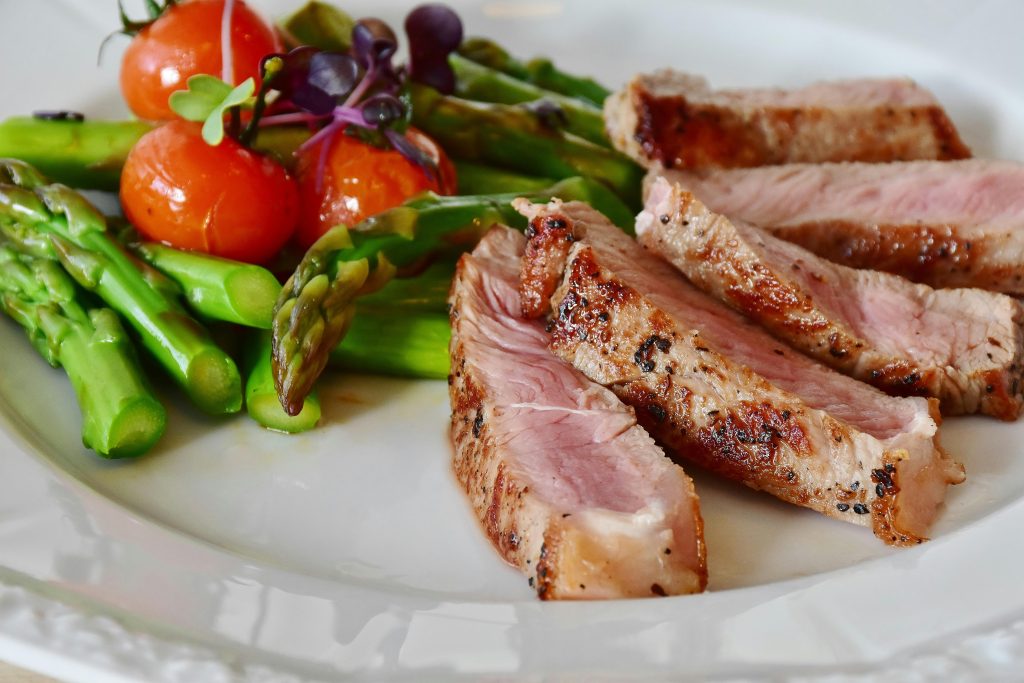
Protein gets talked about like it’s either magic or unnecessary. It’s neither. It’s just a nutrient your body uses to build and repair tissue. And from a day-to-day, “I’m trying to feel normal and not snack all night” perspective, protein matters because it helps you feel full.
What the USDA baseline looks like in real life
The USDA Dietary Guidelines use a general minimum of about 0.8 g/kg/day for adults. That’s the usual baseline number. But I’m not going to ask you to calculate your body weight in kilograms before you make dinner. A super workable target for most people is: 25 to 40 grams of protein at dinner. That’s the range where a lot of people notice, “Oh… I’m satisfied.”
The Satiety Thing Is Real with High Protein Dinner Ideas
A 2015 review in the American Journal of Clinical Nutrition showed that diets higher in protein really help with feeling fuller and cutting down hunger compared to standard protein levels. In everyday terms, it means people stay satisfied longer and don’t raid the fridge for late-night snacks as much. Not because they’re “more disciplined.” Because dinner actually did its job.
Muscle repair and why it matters even if you don’t lift
Protein supports muscle maintenance and repair, which is part of what the NIH covers in their nutrition basics. If you’re working on losing weight, protein’s a quiet helper; it lets you hold onto muscle while the fat comes off nice and slow. That’s why folks hunt for high-protein meals for weight loss that feel doable, not like some crazy overhaul.
What low protein can look like
Not dramatic symptoms. Just stuff like:
- You’re hungry again really fast after dinner
- You’re constantly looking for a snack later
- Your meals feel like they don’t “stick.”
- You’re losing weight,t but don’t feel as strong
Quick takeaway: protein helps. Fiber helps too. The combo is where things get easier.
How to Build a High Protein Dinner Ideas on a Budget
If recipes make you feel overwhelmed, this is your section. Because you don’t need 20 recipes. You need a repeatable pattern.
Step 1: Pick the protein that’s cheapest this week
Don’t get attached to one protein forever. Rotate based on price.
Usually budget-friendly:
- Eggs
- Beans and lentils
- Tofu
Go for canned tuna or salmon, chicken thighs, ground turkey, or cottage cheese and Greek yogurt. Why these rock: You’re picking proteins that stretch way further per dollar of solid servings without the price tag biting hard. That’s it. That’s the strategy.
Step 2: Add fiber so you’re not hungry an hour later
Fiber? It’s one of those grown-up nutrition basics that quietly changes everything once you get it right. The CDC and Harvard T.H. Chan School of Public Health keep hammering home how fiber-packed foods like beans, veggies, and whole grains fit into any solid, everyday healthy eating plan.
Easy fiber adds:
- Beans in a skillet meal
- Frozen veggies in basically anything
- Slaw mixes in stir-fries and bowls
- Whole wheat pasta or brown rice sometimes
This is how a meal becomes one of those high-protein and fiber meals that actually keep you full.
Step 3: Add a carb you actually like
Carbs aren’t a failure. They’re food. And they help dinner feel complete.
Cheap carbs:
- Rice
- Potatoes
- Pasta
- Tortillas
Step 4: Add volume vegetables (frozen counts, promise)
Frozen veggies are the cheat code here. They’re cheaper, and they don’t die in your fridge.
Best “won’t waste” picks:
- Frozen broccoli
- Frozen spinach
- Frozen mixed vegetables
- Cabbage
- Carrots and onions
Step 5: Season it like you want to eat it again
If it tastes bland, you’ll abandon the plan. That’s not a willpower issue. That’s a flavor issue.
Cheap flavor boosters:
- Garlic and onion powder
- Soy sauce
- Salsa
- Mustard
- Hot sauce
- Curry powder, cumin, taco seasoning
- Lemon juice or vinegar
Mini why-this-works: protein + fiber + volume + flavor = a dinner you can actually repeat.
Budget Grocery List for High Protein Dinner Ideas
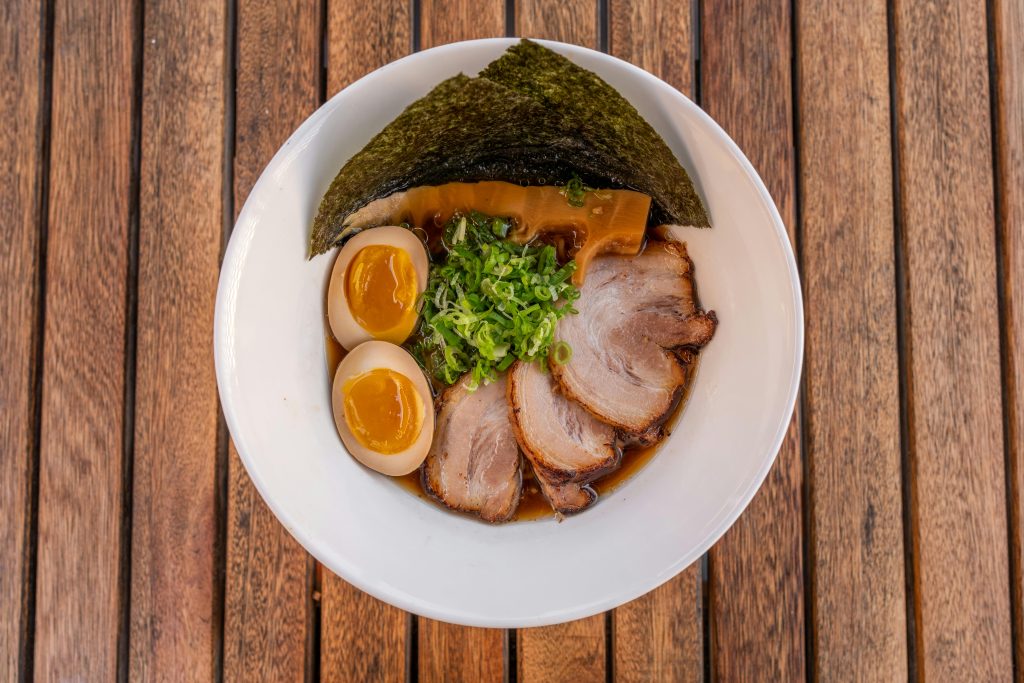
Proteins that usually give you the best value
This changes by store, but typically:
- Dry beans and lentils
- Eggs
- Tofu
- Chicken thighs
- Canned tuna
- Store-brand Greek yogurt or cottage cheese
And yes, convenience foods can be useful. But if your goal is budget dinners, whole foods usually give you way more meals per dollar.
Pantry staples that save you on tired nights
These are the “I can still make something” basics:
- Canned beans, lentils, chickpeas
- Canned tomatoes, marinara, salsa
- Rice, pasta, oats
- Bouillon or broth
- Peanut butter
- Soy sauce, hot sauce
Frozen vs Fresh High Protein Dinner Ideas
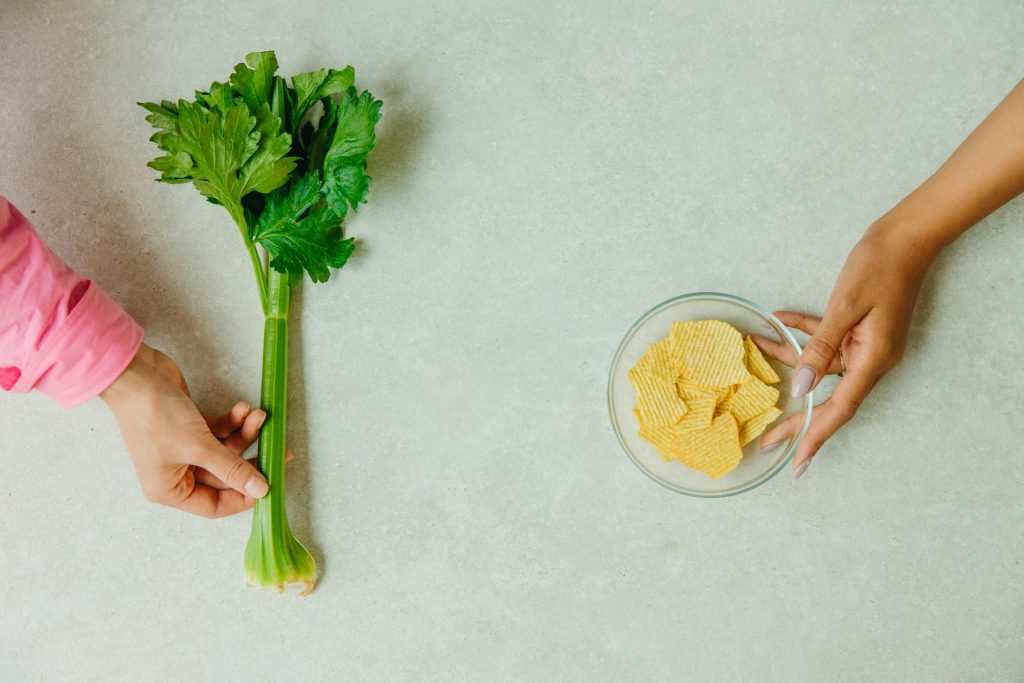
Frozen is usually cheaper per edible serving. Fresh is great when it’s on sale, and you’ll use it quickly. If you routinely throw away produce, go heavier on frozen. No guilt. Just practicality.
Bulk buying without wasting food
Bulk is only a deal if you use it.
What actually helps:
- Portion the meat and freeze it the same day
- Freeze cooked beans or lentils in smaller containers
- Buy big yogurt tubs only if you’ll use them for more than breakfast
10 Easy High-Protein Dinner Recipes (protein + cost + swaps)
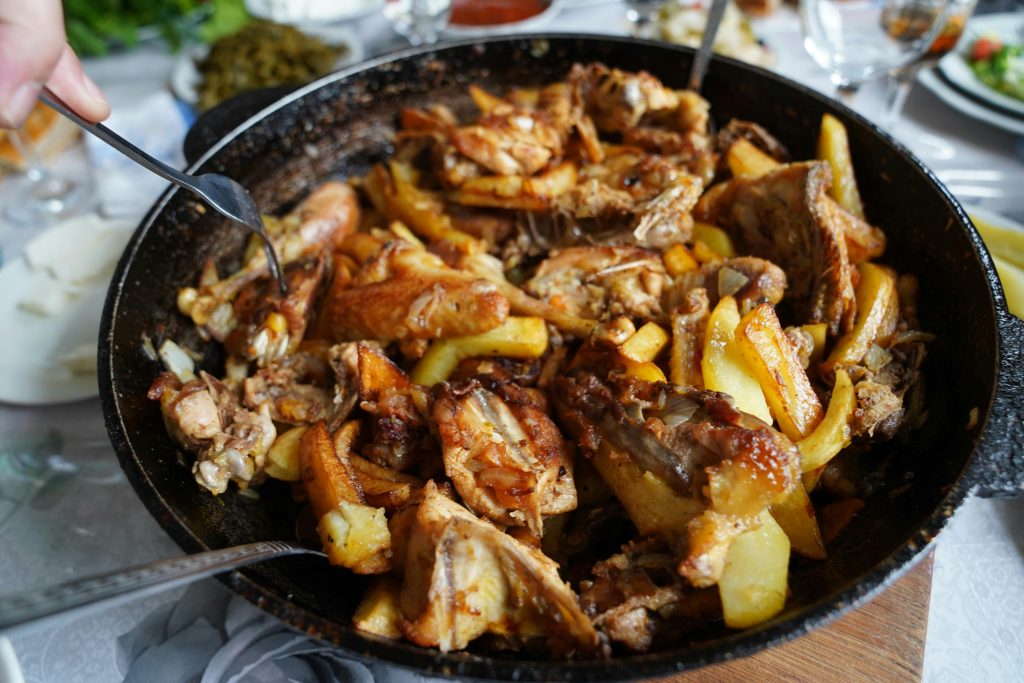
These are meant to be easy high-protein dinners you can pull off on a weeknight. Protein and cost are estimates, but they’re realistic.
1) Sheet Pan Chicken Thighs + Vegetables + Potatoes
Protein: ~35 g per serving
Cost: ~$2.75–$3.75 per serving
Why it’s filling: big portion, lots of volume, low effort.
Storage: 3–4 days in the fridge.
Budget swap: use frozen veg instead of fresh.
2) Turkey Taco Skillet (Beans + Rice)
Turkey, beans, salsa, and taco seasoning.
Protein: ~30–40 g per serving
Cost: ~$2.50–$3.50 per serving
Why it helps: protein + fiber is a classic fullness combo, and it fits the vibe of high protein meals for weight loss without feeling like “diet food.”
Storage: 4 days fridge, freezes well.
Budget swap: swap in lentils for half the turkey.
3) Beef + Lentil Bolognese (Half and Half)
Half beef, half lentils, marinara, pasta.
Protein: ~28–35 g per serving
Cost: ~$2.25–$3.25 per serving
Why it works: still tastes like beef, just cheaper and more filling.
Storage: freezes well 2–3 months.
Budget swap: go all-lentil if beef prices are rough.
4) Tofu Stir-Fry + Frozen Veg + Peanut Sauce
Tofu, frozen veg, peanut butter, soy sauce, garlic.
Protein: ~25–30 g per serving
Cost: ~$2.00–$3.00 per serving
Why it works: fast, filling, and a great meatless high-protein meal recipe option.
Storage: 3–4 days in the fridge.
Budget swap: add edamame to bump protein.
5) Egg Roll in a Bowl (Turkey + Slaw Mix)
Turkey, slaw mix, soy sauce, ginger/garlic.
Protein: ~30–35 g per serving
Cost: ~$2.25–$3.25 per serving
Why it works: huge volume, good protein, easy to keep lighter. This can fit high in protein, low in fat meals, depending on the turkey choice.
Storage: 4 days fridge.
Budget swap: more cabbage, slightly less meat.
6) Cottage Cheese “Alfredo” Pasta
Blend cottage cheese with garlic, parmesan, splash of milk.
Protein: ~28–40 g per serving
Cost: ~$2.00–$3.50 per serving
Why it works: comfort food energy, and it can fit high protein low fat recipes depending on how you build it.
Storage: 3 days fridge.
Budget swap: Use Greek yogurt instead.
7) Tuna Quesadillas + Greek Yogurt Sauce
Tuna + Greek yogurt + mustard, crisped in tortillas with a little cheese.
Protein: ~30–35 g per serving
Cost: ~$1.75–$2.75 per serving
Why it works: pantry-friendly and quick. Can fit high-protein, low-calorie recipes if you go light on cheese.
Storage: tuna mix 3 days; quesadillas fresh.
Budget swap: canned salmon when it’s cheaper.
8) Chicken + Chickpea Curry (Pantry-Friendly)
Chicken thighs, chickpeas, curry powder, canned tomatoes.
Protein: ~30–40 g per serving
Cost: ~$2.75–$4.00 per serving
Why it works: protein + fiber, reheats great, makes good leftovers.
Storage: 4 days fridge, freezes well.
Budget swap: vegetarian version, double chickpeas.
9) Greek Yogurt-Marinated Chicken + Salad
Yogurt + lemon + spices, then bake or air-fry.
Protein: ~35–45 g per serving
Cost: ~$2.50–$3.75 per serving
Why it works: simple, juicy, not boring.
Storage: 3–4 days in the fridge.
Budget swap: bone-in thighs.
10) Black Beans + Eggs + Salsa Bowls
Beans, eggs, salsa, and optional cheese.
Protein: ~25–35 g per serving
Cost: ~$1.50–$2.50 per serving
Why it works: cheap, fast, protein + fiber. Classic.
Storage: beans 4 days; eggs best fresh, fine 2–3 days.
Budget swap: tofu scramble.
Comparison Table
| Meal | Protein | Cost/Serving | Best For |
| Sheet Pan Chicken Thighs | ~35 g | $2.75–$3.75 | Leftovers |
| Turkey Taco Skillet | ~30–40 g | $2.50–$3.50 | Meal prep |
| Beef + Lentil Bolognese | ~28–35 g | $2.25–$3.25 | Stretching meat |
| Tofu Stir-Fry | ~25–30 g | $2.00–$3.00 | Meatless nights |
| Egg Roll in a Bowl | ~30–35 g | $2.25–$3.25 | Big volume |
| Cottage Cheese Pasta | ~28–40 g | $2.00–$3.50 | Comfort food |
| Tuna Quesadillas | ~30–35 g | $1.75–$2.75 | Pantry dinner |
| Chicken Chickpea Curry | ~30–40 g | $2.75–$4.00 | Batch cooking |
| Yogurt-Marinated Chicken | ~35–45 g | $2.50–$3.75 | Simple high-protein |
| Beans + Egg Bowls | ~25–35 g | $1.50–$2.50 | Cheapest |
Meal Prep That Won’t Take Over Your Life
You don’t need to spend your whole Sunday cooking to eat well during the week. You just need fewer decisions when you’re tired.
A simple approach:
- Cook one big skillet meal
- Roast one tray of vegetables
- Cook one carb
Then you remix it:
- bowls
- wraps
- salads
- “whatever is in the fridge” plates
A few storage tips that save money:
- Freeze leftovers in single portions so you’ll actually use them
- Label containers with dates because guessing games lead to waste
- If you hate reheated chicken breast, stop buying only chicken breast
Common Mistakes That Waste Money
- Buying expensive “high-protein” snacks and then still needing dinner
- Forgetting fiber and wondering why you’re hungry again
- Having no backup pantry meal for the night, everything goes off the rails
- Getting stuck in one protein and burning out fast
Realistic Outcomes
If you start eating higher-protein dinners with fiber, most people notice:
- Better fullness after dinner
- Less late-night snacking
- A smoother path with weight loss if that’s your goal
- Better muscle retention while losing weight, especially if you’re active
- Better recovery over time
Nothing dramatic. Just steady improvements that feel… normal.
Conclusion
You don’t need fancy groceries to pull off high-protein dinner ideas on a budget.
You need a few reliable proteins, some fiber-friendly add-ins, and meals you actually like enough to repeat. Try one recipe this week. Just one. Save the grocery framework. And share this with someone who’s also staring at grocery prices like, “Is this real?”
References
- U.S. Department of Agriculture and U.S. Department of Health and Human Services. Dietary Guidelines for Americans, 2020–2025. Published 2020.
- National Institutes of Health (NIH). Protein overview and nutrition resources. Accessed 2026.
- Leidy HJ, Clifton PM, Astrup A, et al. Protein intake, satiety, and weight management. The American Journal of Clinical Nutrition. 2015.
- Harvard T.H. Chan School of Public Health. The Nutrition Source: Protein. Accessed 2026.
- Centers for Disease Control and Prevention (CDC). Nutrition and healthy eating guidance. Accessed 2026